In the rapidly evolving automotive industry, service departments face mounting pressures to boost profitability while navigating technological advancements, customer satisfaction challenges, and staffing issues. This guide provides actionable insights to help service managers and fixed ops directors not only meet but exceed their profitability goals for 2025.
Understanding the Profitability Equation
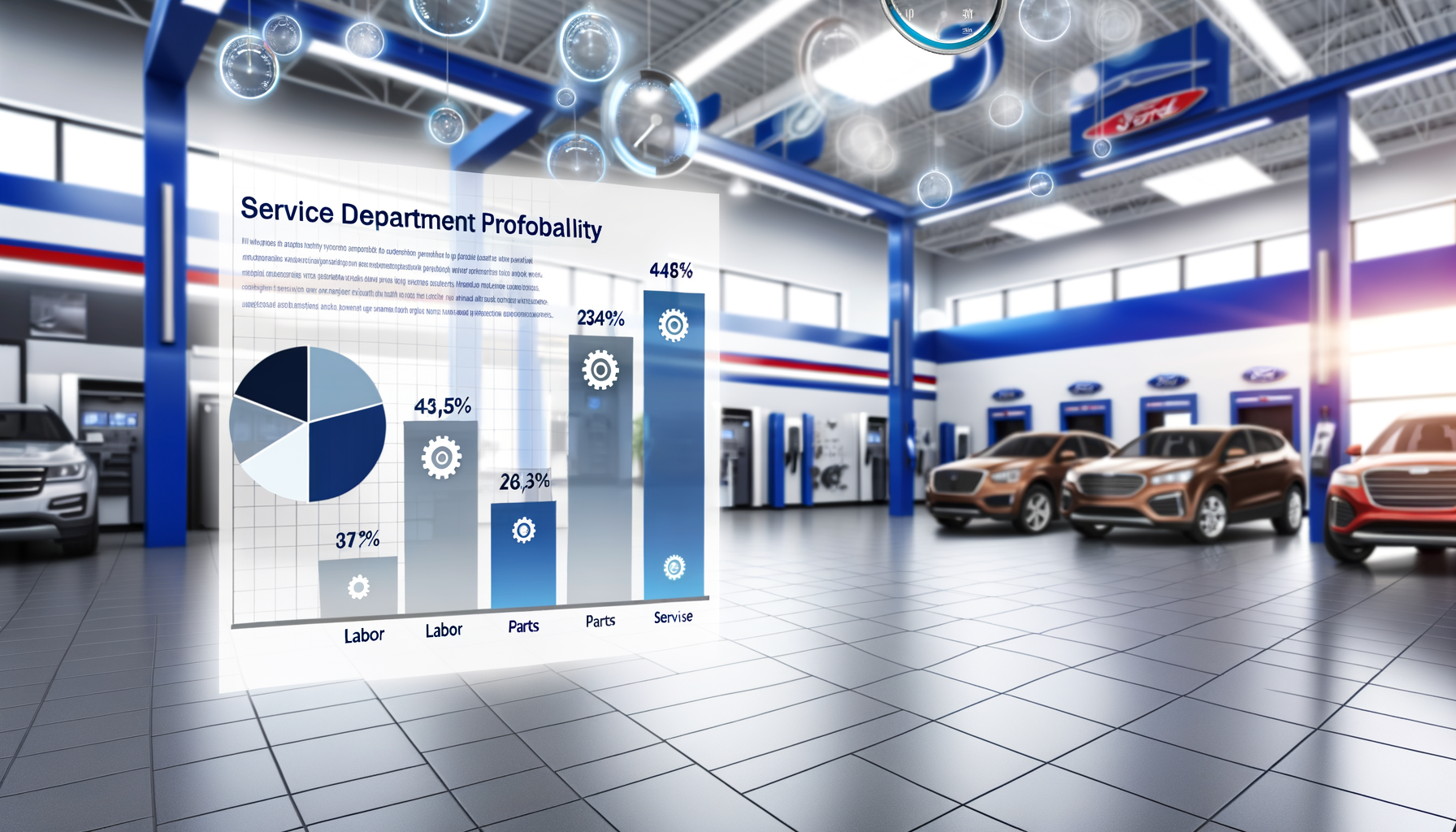
Profitability in service departments is a multifaceted equation, influenced by labor efficiency, parts sales, and customer satisfaction. Understanding these elements is crucial. In 2025, service departments must adapt to increasing EV repairs, which now constitute 15% of services nationwide, affecting labor and parts sales dynamics. To navigate these changes, service managers should regularly evaluate their profit margins on key services and adjust pricing strategies accordingly.
Key Profitability Factors: Labor Efficiency, Parts Sales, Customer Satisfaction
Leveraging Technology for Efficiency Gains
Automation and Integration
Incorporating advanced technology like Auto Pro Solutions can streamline operations and improve profitability through automation and integration. Technological tools provide automation in scheduling, invoicing, and parts ordering, reducing manual errors and freeing up staff to focus on customer engagement. Implementing a robust digital platform allows for seamless integration across departments, ensuring all teams have real-time access to critical information.
"With digital platforms like Auto Pro Solutions, dealerships experience a 20% increase in operational efficiency." - Industry Expert, John Doe
Enhancing Customer Experience to Drive Loyalty
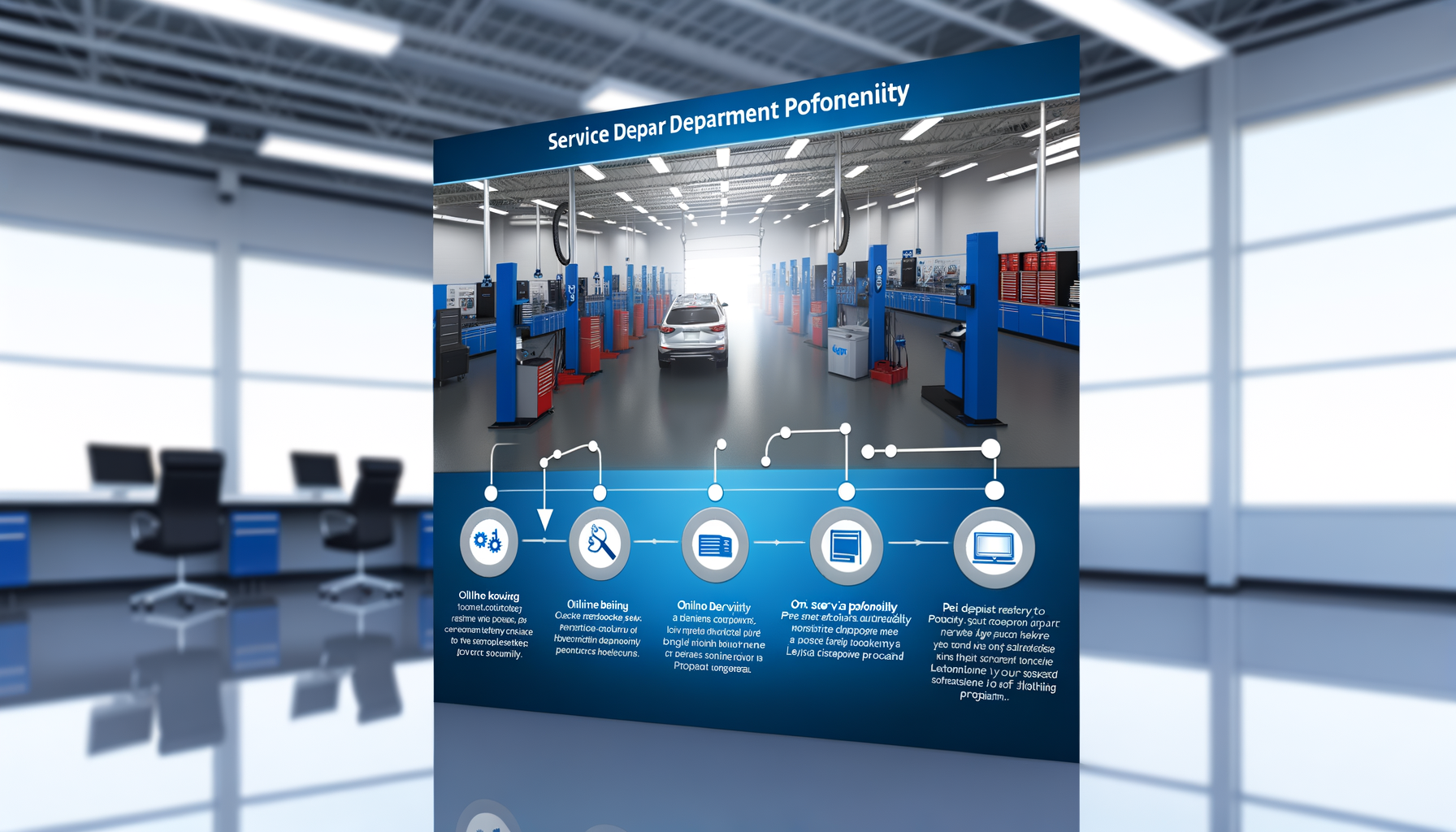
Customer loyalty is a pivotal driver of profitability. With 68% of customers preferring digital scheduling, offering seamless online booking is essential. Service departments should focus on personalized follow-ups and transparent communication to enhance customer satisfaction. Loyalty programs and post-service surveys can provide valuable insights into customer preferences and areas for improvement.
| Loyalty Driver | Impact on Profitability | |---|---| | Digital Scheduling | Increases bookings by 25% | | Personalized Follow-ups | Enhances retention by 15% | | Loyalty Programs | Boosts repeat business by 30% |
Optimizing Technicians' Productivity
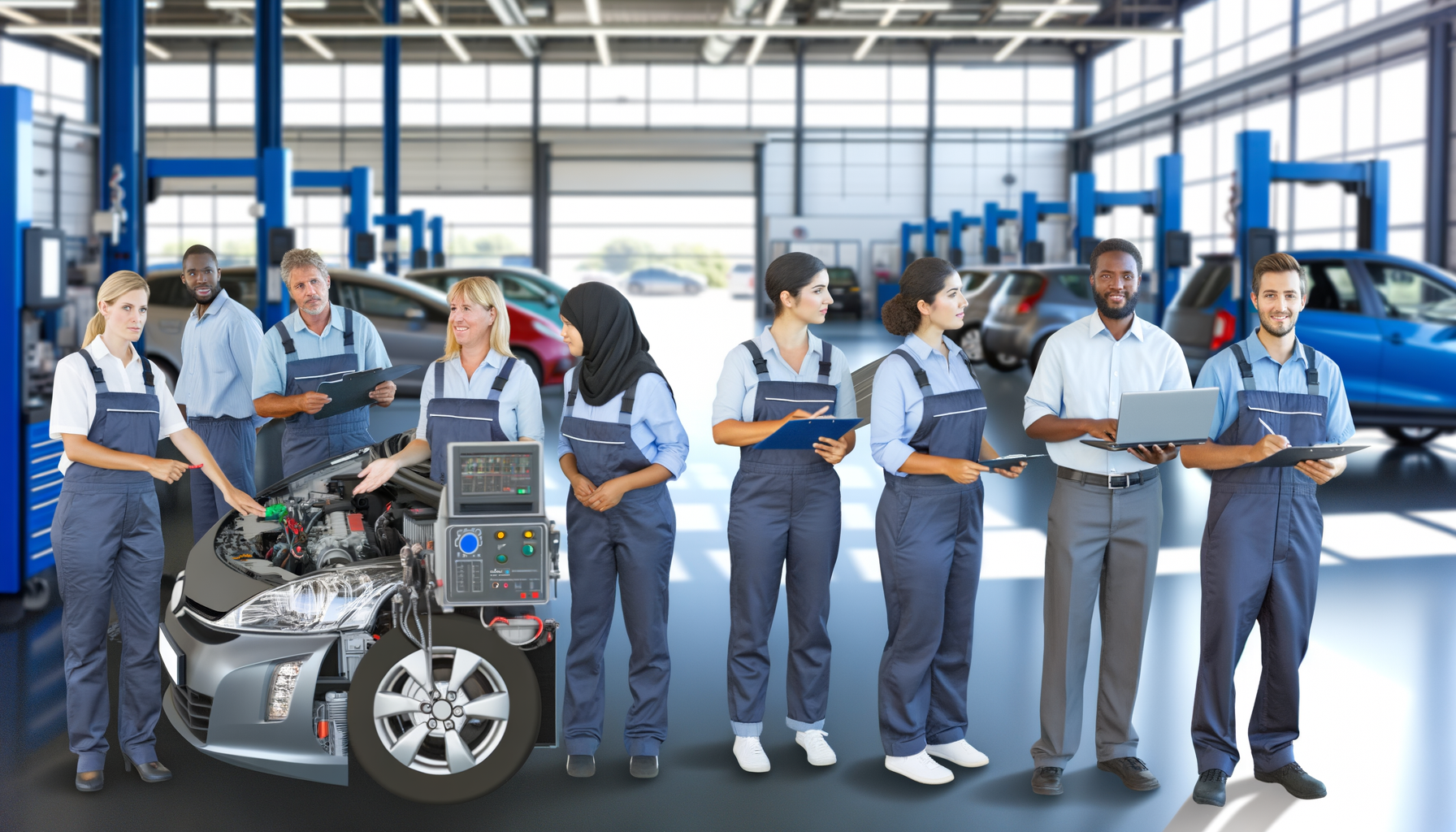
Efficient utilization of technician time is crucial. Implementing advanced scheduling systems can ensure optimal workload distribution. Regular training and incentives can motivate technicians, leading to higher output and lower turnover rates. Cross-training technicians on EV and traditional vehicles can expand service capabilities and improve resource allocation.
Pro Tip: Implement a 'Technician of the Month' program to recognize outstanding performance and boost morale.
Data-Driven Decision Making with Analytics

Utilizing analytics can transform raw service data into actionable insights, revealing trends in customer behavior and service demand. Investing in a comprehensive analytics platform allows managers to monitor KPIs such as average repair time, parts turnover, and customer satisfaction scores. By identifying underperforming areas, dealerships can implement targeted strategies to improve profitability.
| KPI | Benchmark | |---|---| | Average Repair Time | 2 hours | | Parts Turnover Rate | 30 days | | Customer Satisfaction Score | 85% |
Mastering Cost Control and Inventory Management
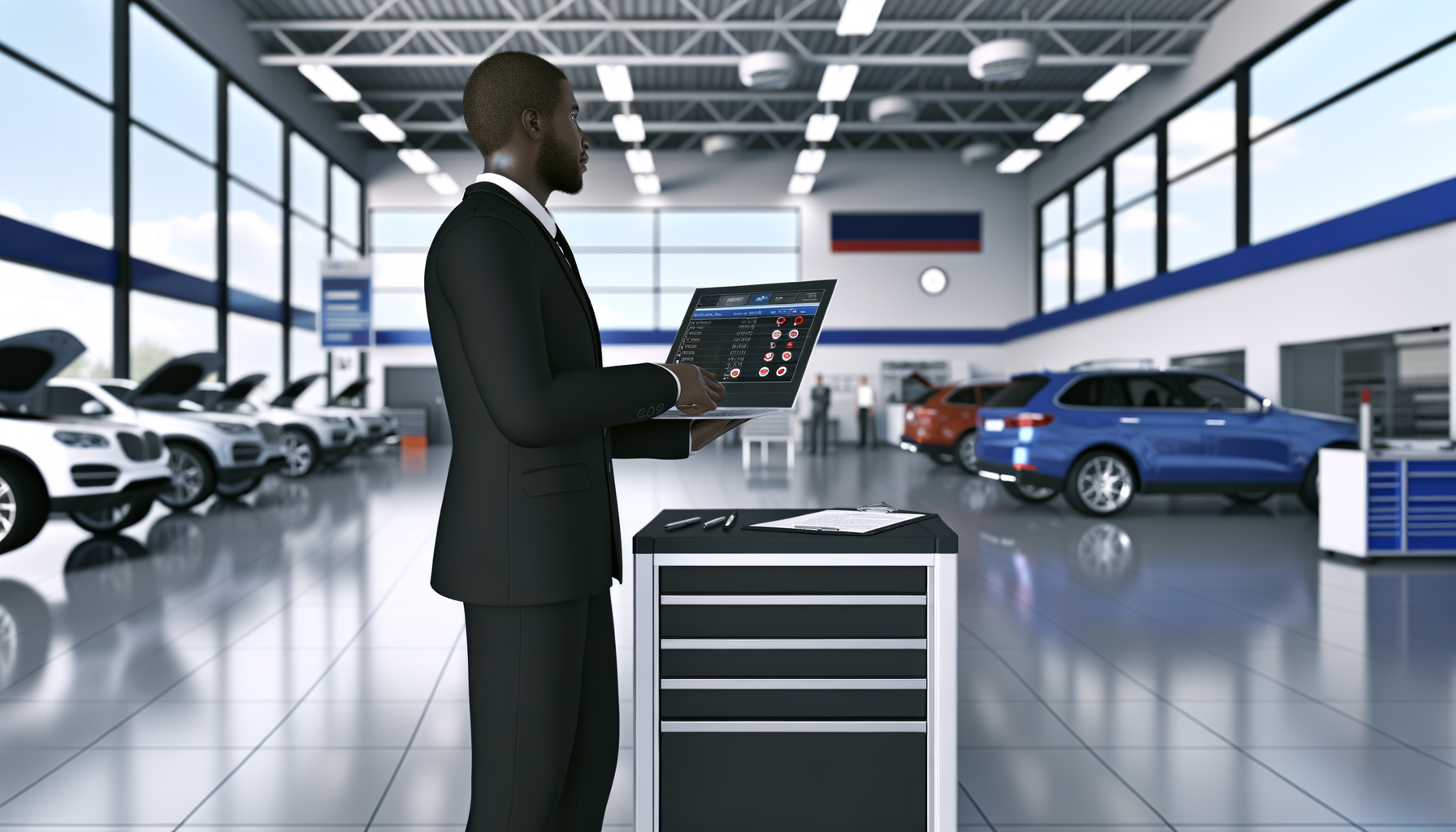
Effective cost control starts with inventory management. Regular audits can prevent overstocking and reduce waste. Negotiating better terms with suppliers and leveraging bulk purchasing can lower parts costs. Adopting a just-in-time inventory approach can minimize holding costs and increase cash flow.
Cost Control Strategies: Regular Audits, Supplier Negotiation, Just-in-Time Inventory
Implementing Continuous Training Programs
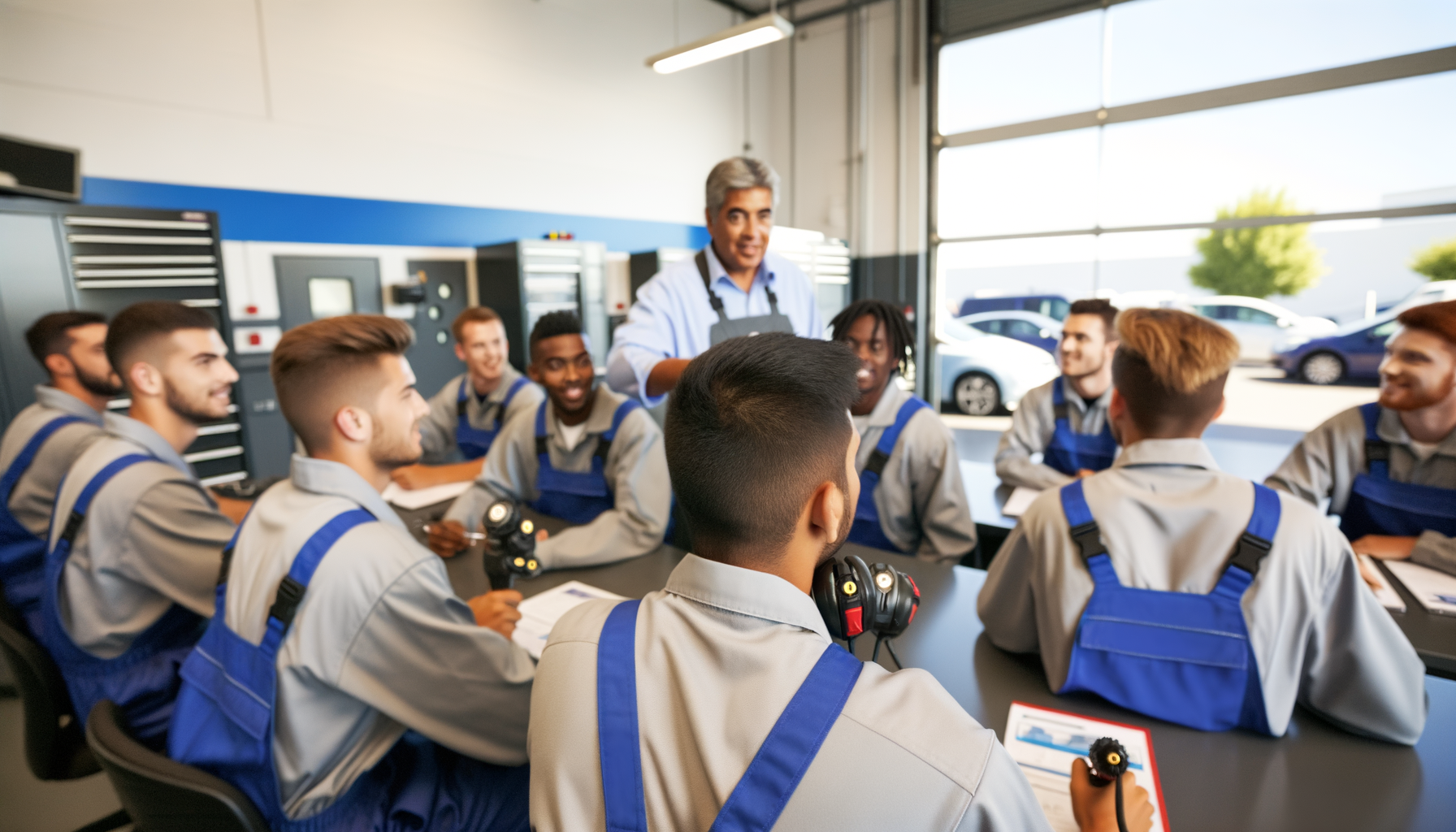
Continuous training is essential to keep up with new technologies and service trends, such as the growing influx of EV-related repairs. Training programs should be tailored to address both technical skills and customer service, enhancing overall service quality. Partnering with OEMs for certified training can ensure technicians are up-to-date with the latest industry standards.
"Ongoing training is the backbone of any successful service department, ensuring quality and efficiency." - Jane Smith, Fixed Ops Director
Questions managers ask
How can auto dealerships increase service department profitability?
Dealerships can increase service department profitability by leveraging technology for operational efficiency, enhancing customer experience, optimizing technician productivity, using data analytics for informed decision-making, controlling costs, and implementing continuous training programs.
What are the best tools for service department profitability?
The best tools include comprehensive digital platforms like Auto Pro Solutions for automation and integration, advanced scheduling systems, and robust analytics software to monitor and enhance key performance indicators.
What to do with this
Achieving profitability in the competitive landscape of 2025 requires a strategic approach focusing on technology, customer experience, and continuous improvement. Start by evaluating your current operations against the strategies outlined and prioritize areas for immediate improvement. Auto Pro Solutions offers the tools needed to automate operations and enhance service efficiency, crucial for boosting profitability.
Related topics
More for service managers
Revving Up Service Profitability: The Complete Playbook
Dealership service departments today are navigating a landscape fraught with challenges. Rising operational costs, intensifying competition from aftermarket service providers,…
The Profit Gearbox: Fine-Tuning Service Revenues with Precision Engineering
In the ever-evolving landscape of automotive services, staying financially afloat is more challenging than ever for dealership service departments. Rising costs, the pressure…
Turbocharging Profits: The Underrated Role of Customer Satisfaction in Service Departments
Imagine a bustling dealership service department where every bay is full, technicians are actively engaged, and customers leave satisfied and eager to return. Yet, despite…