Beyond the Wrench: Crafting a Customer-Centric Service Revolution
Understanding the Challenge
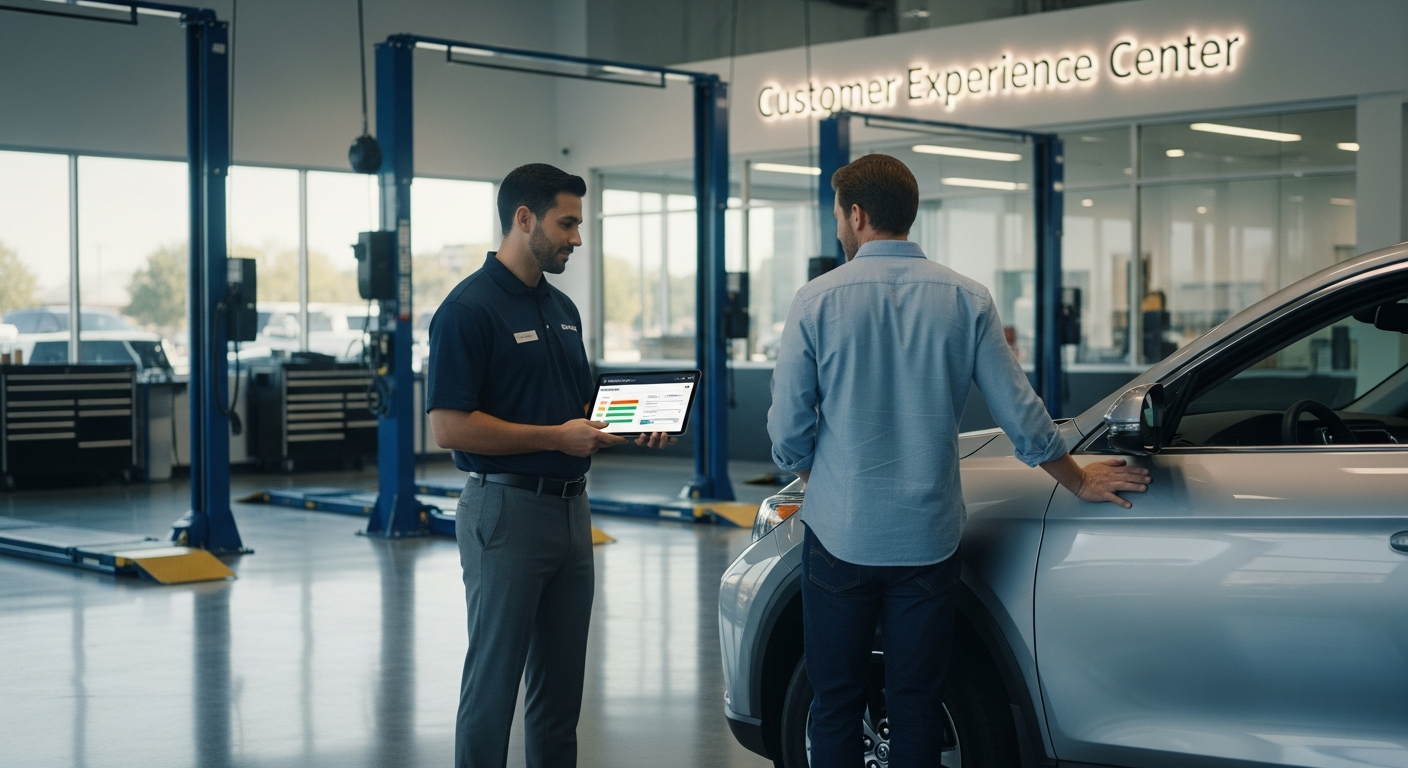
As customer expectations evolve, traditional service models that once sufficed now fall short. The demand for immediacy and transparency has never been higher, yet many dealerships struggle to meet these needs, often resulting in lost business.
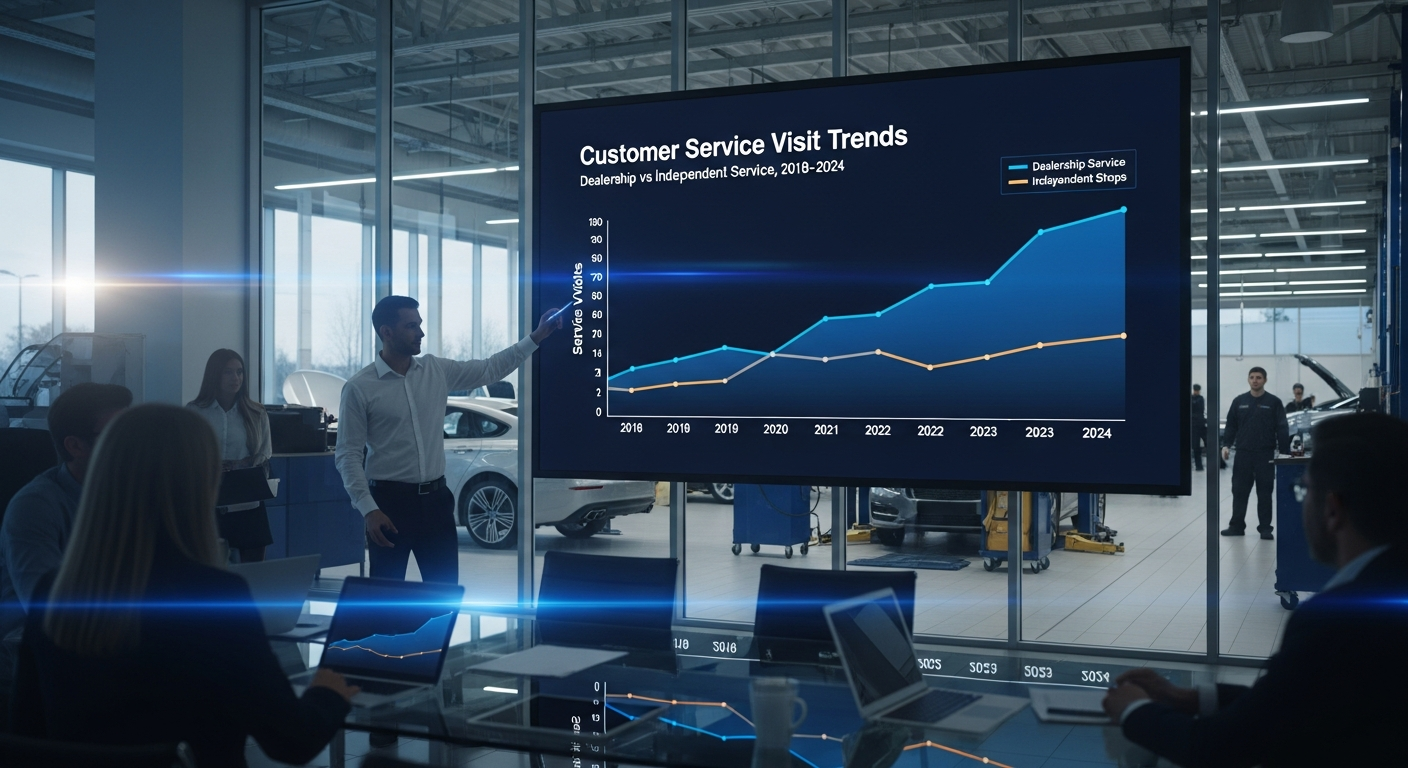
Dealerships are competing not only with each other but also with independent shops that offer flexible, customer-centric service experiences. According to recent studies, 12% of dealer repairs were not completed correctly on the first visit, highlighting a significant area for improvement.
The average age of vehicles is increasing, meaning more repairs and maintenance are needed. This presents both a challenge and an opportunity for service departments to capture more business by offering superior customer experiences.
In today’s market, the customer journey begins long before they step into the dealership. It starts online, where potential customers look for convenient scheduling options, price transparency, and clear communication about their service needs.
Current Industry Landscape
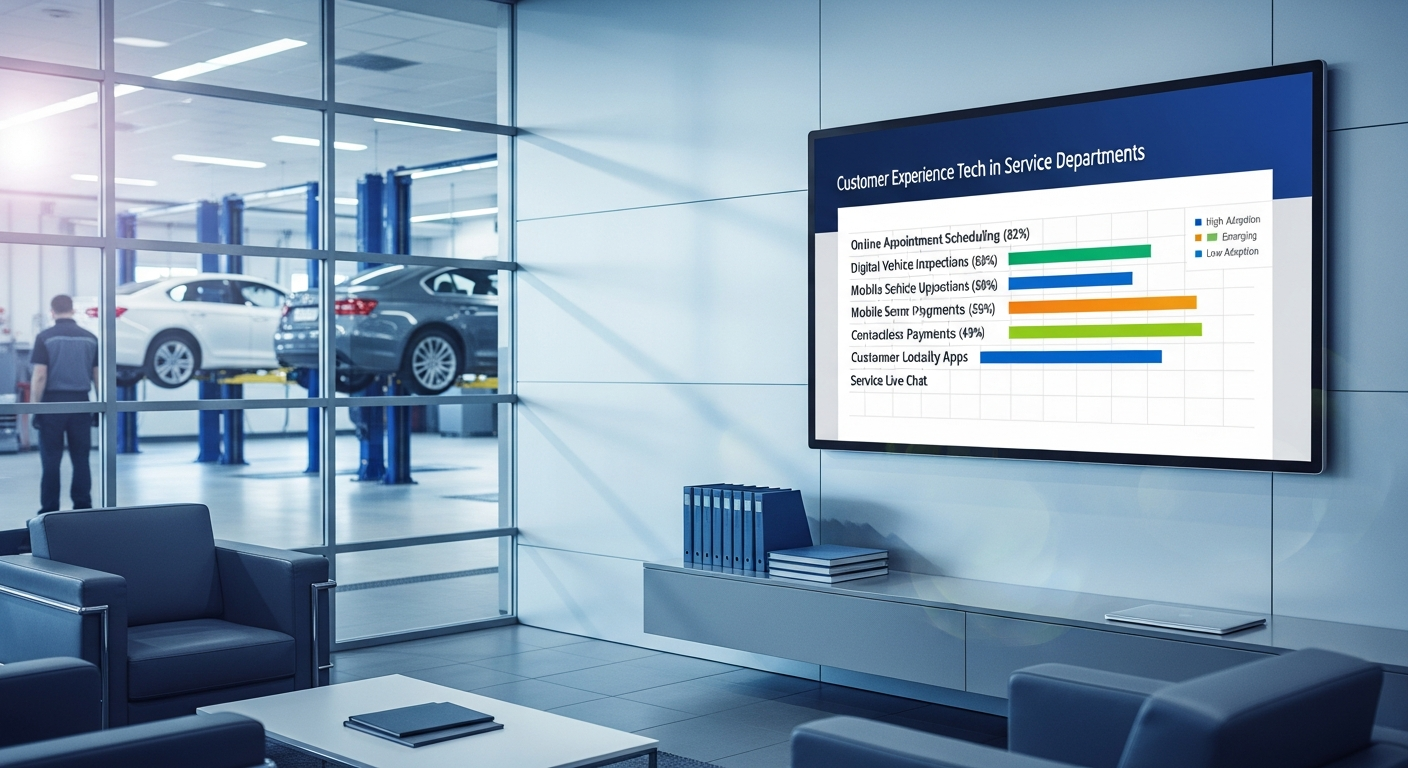
The automotive service industry is undergoing significant transformations driven by technological advancements. AI and digital tools are reshaping how dealerships interact with customers, from scheduling appointments to handling complex repairs.
One of the major shifts is the integration of AI call handling, which can significantly reduce wait times and improve the efficiency of service departments. This technology is particularly valuable given the current pressures on staffing and resources.
Online scheduling platforms are becoming indispensable, with features like price estimates and the ability to modify or cancel appointments enhancing the user experience and increasing conversion rates.
The push towards electric vehicles (EVs) also brings new challenges and opportunities. As EV ownership increases, dealerships must adapt their service offerings to maintain high satisfaction levels, addressing unique needs such as first-time-fix rates and parts availability.
The Solution Framework
To overcome these challenges, dealerships must adopt a comprehensive solution framework that prioritizes customer experience. This involves leveraging technology to provide seamless, personalized service from start to finish.
Implementing AI call handling systems can alleviate some of the burdens on service staff, allowing for more efficient use of human resources and enhancing customer interactions.
Enhancing online scheduling with features like real-time updates, transparent pricing, and easy modifications can reduce friction and increase customer satisfaction.
Dealerships should also focus on providing digital vehicle inspections and communication tools that keep customers informed throughout their service journey, fostering trust and loyalty.
Implementation Guide
Implementing these solutions requires careful planning and execution. Start by assessing your current service processes and identifying areas where technology can make the most significant impact.
Train your staff to effectively use new tools, ensuring they understand how to use technology to enhance the customer experience rather than replace personal interaction.
Collaborate with technology providers to ensure smooth integration with your existing systems, particularly your DMS, to avoid data silos and ensure seamless operations.
Regularly review and adjust your service workflows based on feedback and performance metrics to continually improve your processes and meet evolving customer expectations.
Measuring Success
To ensure your investments in customer experience are paying off, it's crucial to track relevant KPIs. These metrics provide insight into how well your service department is meeting customer needs and driving business success.
Monitor your first-time-fix rate, aiming for at least 90% to ensure repairs are completed accurately and efficiently. Track this by VIN/RO and technician to pinpoint areas for improvement.
Keep an eye on average appointment lead times, striving to reduce them to under two days for routine maintenance. This can be achieved through effective capacity planning and process optimization.
Customer satisfaction scores, such as CSI and NPS, are also vital. They reflect the overall customer perception and can guide you in identifying areas needing attention.
Advanced Strategies
Once the foundation is set, look towards advanced strategies to further enhance your service department’s capabilities. This includes exploring new technologies and refining existing processes.
Consider adopting AI-driven analytics to gain deeper insights into customer behavior and preferences, enabling more personalized service offerings.
Explore options for expanding service hours or offering pickup and delivery services to accommodate customer schedules better, increasing convenience and satisfaction.
Continuously train and certify technicians, particularly for emerging technologies like EVs, to ensure your team is equipped to handle a broad range of service needs efficiently.
Related Topics
Ready to take your service department to the next level?
Schedule your demo today and experience the power of Auto Pro Solutions.
Schedule Demo