Beyond the Bay: Crafting a Lucrative Service Ecosystem
Understanding the Challenge

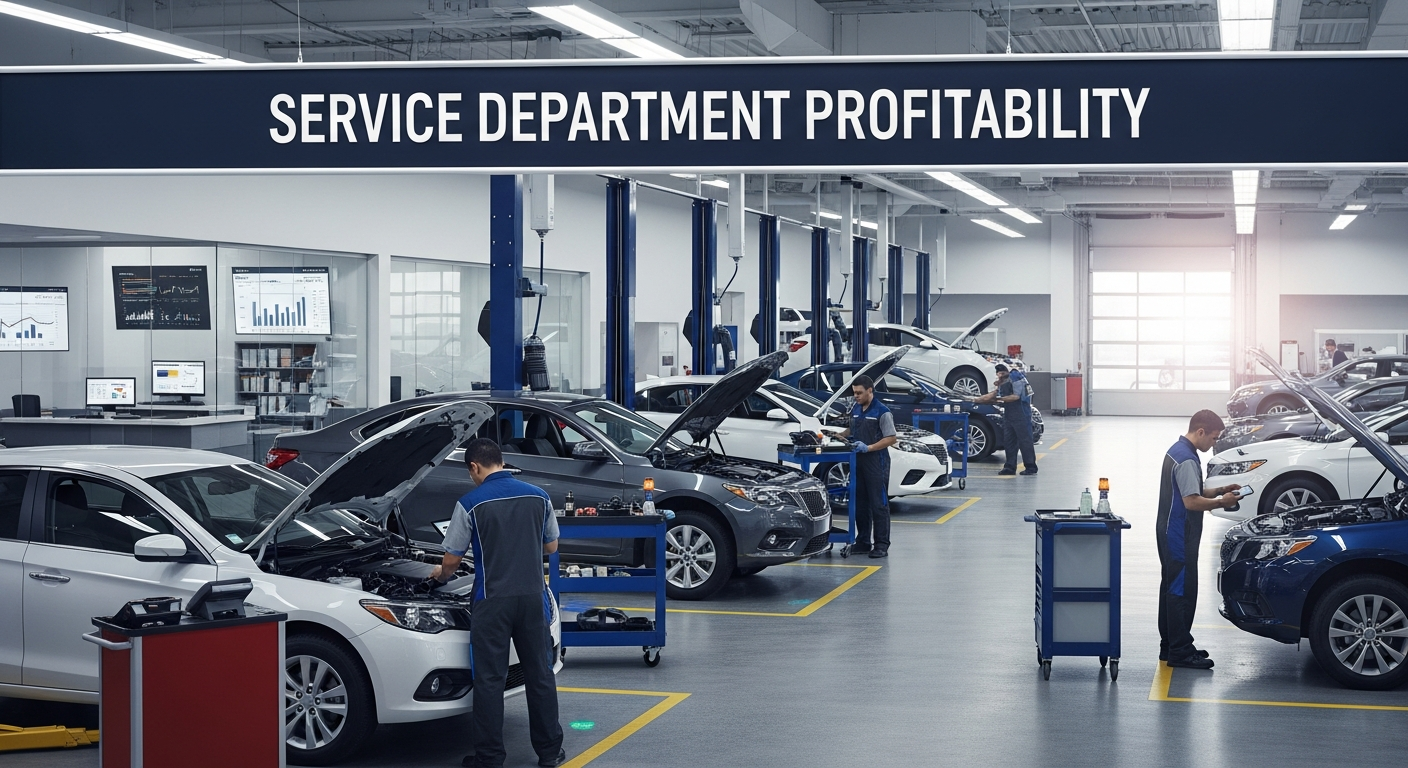
In recent years, the automotive service department landscape has shifted dramatically. Despite writing over 270 million repair orders and generating $156 billion in service and parts in 2024, dealerships face unprecedented challenges. The average age of vehicles has increased to 12.8 years, expanding mid-life repair demand, yet service visits have declined by 12% since 2018. This paradox highlights a fundamental issue: dealerships are losing ground to independent service providers and mobile operators.
The crux of the problem lies not just in external competition but also in internal inefficiencies. Service departments are grappling with technician shortages, with an annual deficit of around 39,000 techs. This shortage places immense pressure on existing staff, leading to burnout and turnover, which further exacerbates capacity constraints and elongates service cycle times.
Moreover, the advent of electric vehicles (EVs) is reshaping the revenue mix. EVs tend to generate up to 40% less aftermarket spending compared to internal combustion engine vehicles, compelling service departments to rethink their strategy in capturing new revenue streams.
Added to this is the pressure of adapting to new technologies. From AI-driven scheduling systems to mobile service platforms, the need to integrate cutting-edge solutions is more critical than ever. Yet, without a strategic approach, these technologies can create as many problems as they solve.
Ultimately, the path to reversing these challenges involves understanding the unique pressures each service department faces and strategically addressing them through innovation and operational excellence.
Current Industry Landscape
The automotive service industry is in a state of flux, driven by shifting customer expectations, technological advancements, and market dynamics. As U.S. franchised dealers handle fewer visits, the pressure to maintain high service retention and profitability intensifies. The average fixed absorption rate hovers around 69.1%, but the target is 80% or higher.
Customers today demand more transparency and convenience. With only 54% of owners returning to dealerships within the first two years of vehicle ownership, service departments must innovate to win back these critical early-life customers. Aggressive discounting is not a sustainable strategy; instead, dealerships must focus on value-added services and exceptional customer experiences.
Technological advancements present both opportunities and challenges. AI-driven scheduling tools like STELLA Automotive AI can streamline appointment booking, reducing no-show rates and enhancing customer satisfaction. However, implementing these tools requires careful consideration of integration with existing systems and staff training.
The rise of mobile service offerings is another trend reshaping the industry. OEMs are encouraging dealers to adopt mobile service as a new profit center. Platforms like Curbee are enabling dealerships to offer convenient, on-site services, enhancing customer retention and satisfaction.
Overall, the industry landscape demands a proactive approach. By understanding these trends and pressures, service departments can position themselves to not only withstand the challenges but also capitalize on emerging opportunities.
The Solution Framework
To turn the tide of declining service profitability, dealerships need a comprehensive, strategic approach. The cornerstone of this strategy is optimizing workflows and leveraging technology to enhance efficiency and customer satisfaction.
One key element is the implementation of AI-driven scheduling systems. These tools, such as those offered by Auto Pro Solutions, can improve the show rate of appointments significantly, reducing the burden on service staff and enhancing customer satisfaction. By automating routine tasks, employees can focus on delivering high-quality service.
Another strategy involves enhancing technician efficiency and proficiency. Investing in ongoing training and development ensures that technicians are equipped to handle a diverse range of service needs, including those unique to electric vehicles. This not only improves service throughput but also enhances job satisfaction and retention.
Service departments must also focus on recapturing declined services. Digital multipoint inspections (MPIs) and text-to-pay systems can simplify the customer approval process, increasing the likelihood of capturing additional revenue from previously declined repairs.
Ultimately, the solution framework revolves around creating a more efficient, customer-focused service environment. By leveraging technology and investing in staff development, dealerships can position themselves for sustained profitability.
Implementation Guide
Embarking on the journey to service department excellence requires a structured implementation plan. First, assess your current operations to identify areas with the most significant potential for improvement. This involves evaluating your existing workflow, technology stack, and customer feedback.
Next, prioritize technology integration. Implement AI-driven scheduling tools to streamline appointment booking and reduce no-shows. Ensure these tools integrate seamlessly with your current DMS and training programs to maximize their effectiveness.
Focus on staff training and development. Equip your technicians with the skills necessary to handle both traditional and EV service tasks. This not only improves service quality but also boosts employee morale and retention.
Develop a strategy to recapture declined services. Utilize digital MPIs to provide clear, visual evidence of needed repairs, and offer convenient payment options such as text-to-pay. This approach increases the likelihood of customer approval and additional revenue capture.
Regularly review and adjust your service processes based on performance metrics. Track key performance indicators such as effective labor rate (ELR), hours per RO (HPRO), and technician proficiency to ensure continuous improvement.
Measuring Success
Measuring the success of your service department transformation is critical to ensure that your strategies are delivering the desired outcomes. Key performance indicators (KPIs) serve as the benchmark for success and provide insights into areas for further improvement.
Fixed absorption rate is a primary metric, indicating the percentage of dealership expenses covered by service and parts revenue. Increasing this metric towards 80% is a clear sign of improved service profitability.
The effective labor rate (ELR) and hours per repair order (HPRO) are also crucial. These metrics reflect the efficiency and productivity of your service department. By optimizing workflows and enhancing technician proficiency, dealerships can see significant improvements in these areas.
Customer satisfaction and retention rates are equally important. Tracking these metrics helps ensure that your service department is meeting customer needs and building long-term loyalty. Implementing feedback systems and regular customer surveys can provide valuable insights.
Finally, monitor the success of new technologies and processes. Evaluate the impact of AI scheduling on appointment show rates and the effectiveness of digital MPIs in capturing declined services. Regularly reviewing these metrics ensures that your service department remains agile and responsive to changing market conditions.
Advanced Strategies
Once the foundational strategies for service profitability are in place, it's time to explore advanced strategies that further optimize and scale your service department operations. These strategies focus on leveraging technology and innovative business models to stay ahead in the competitive landscape.
Mobile service offerings present a significant opportunity for expansion. By strategically balancing mobile and in-bay services, dealerships can maximize bay utilization while enhancing customer convenience. Analyzing route density and job mix can help determine the optimal balance for profitability.
Expanding digital engagement is another critical strategy. Implementing video and digital MPIs allows customers to directly see the condition of their vehicles, increasing transparency and trust. This approach can lead to higher approval rates for recommended services.
Consider adopting a proactive approach to maintenance and service reminders. Utilizing lifecycle service marketing tools can help engage customers at key points in their vehicle ownership journey, improving retention and building loyalty.
Finally, continuously evaluate and refine your strategies based on performance data. Regular assessments and adjustments ensure that your service department remains agile and responsive to market changes, positioning it for long-term success.
Related Topics
Ready to take your service department to the next level?
Schedule your demo today and experience the power of Auto Pro Solutions.
Schedule Demo